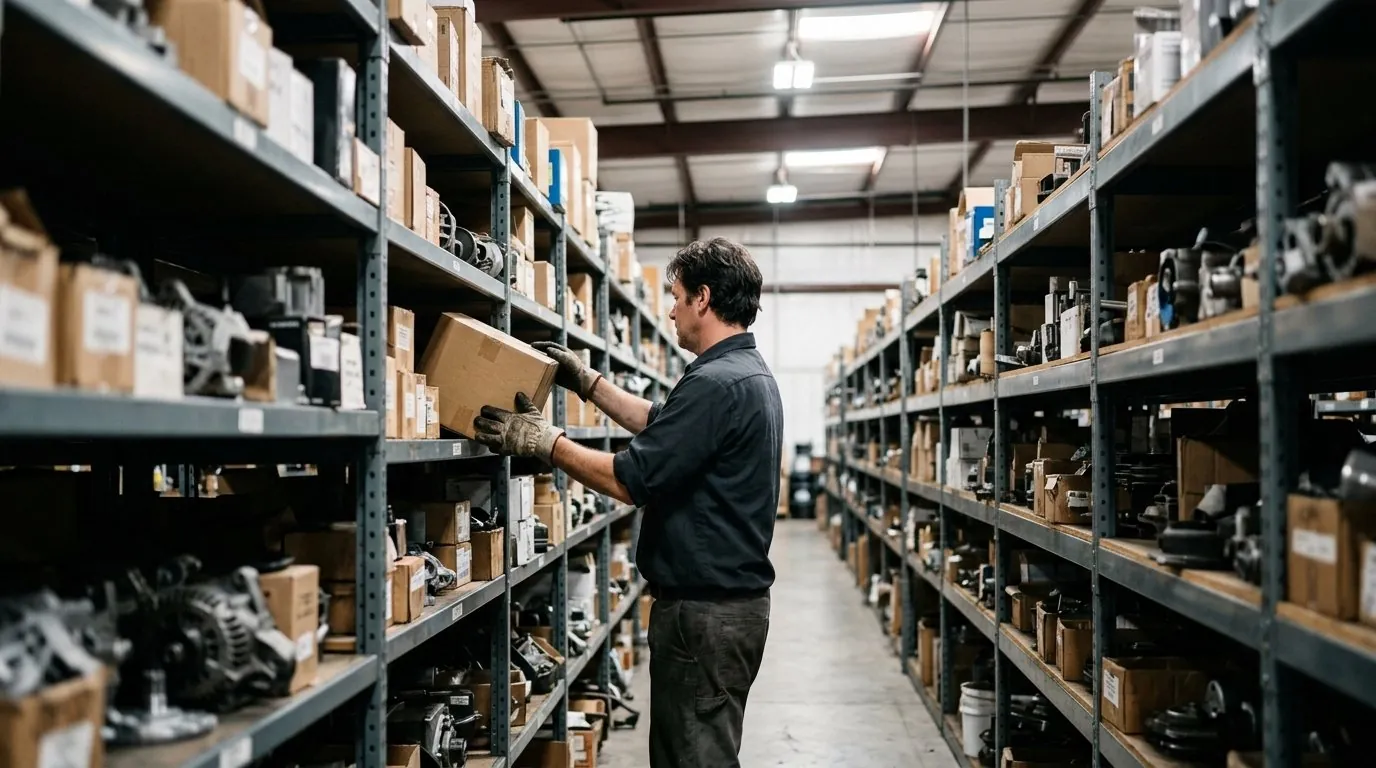
Buying new auto parts in Houston can cut repair bills fast. Learn how sourcing your own parts beats shop markups, tariffs, and long import delays in 2026.
Discover how to source reliable used engine parts in Houston, save up to 70%, and avoid costly mistakes with VIN-matching and local suppliers.
Considering an engine rebuild in Houston? Learn when it beats replacement, what it costs, and how to save thousands on your vehicle repair in 2026.
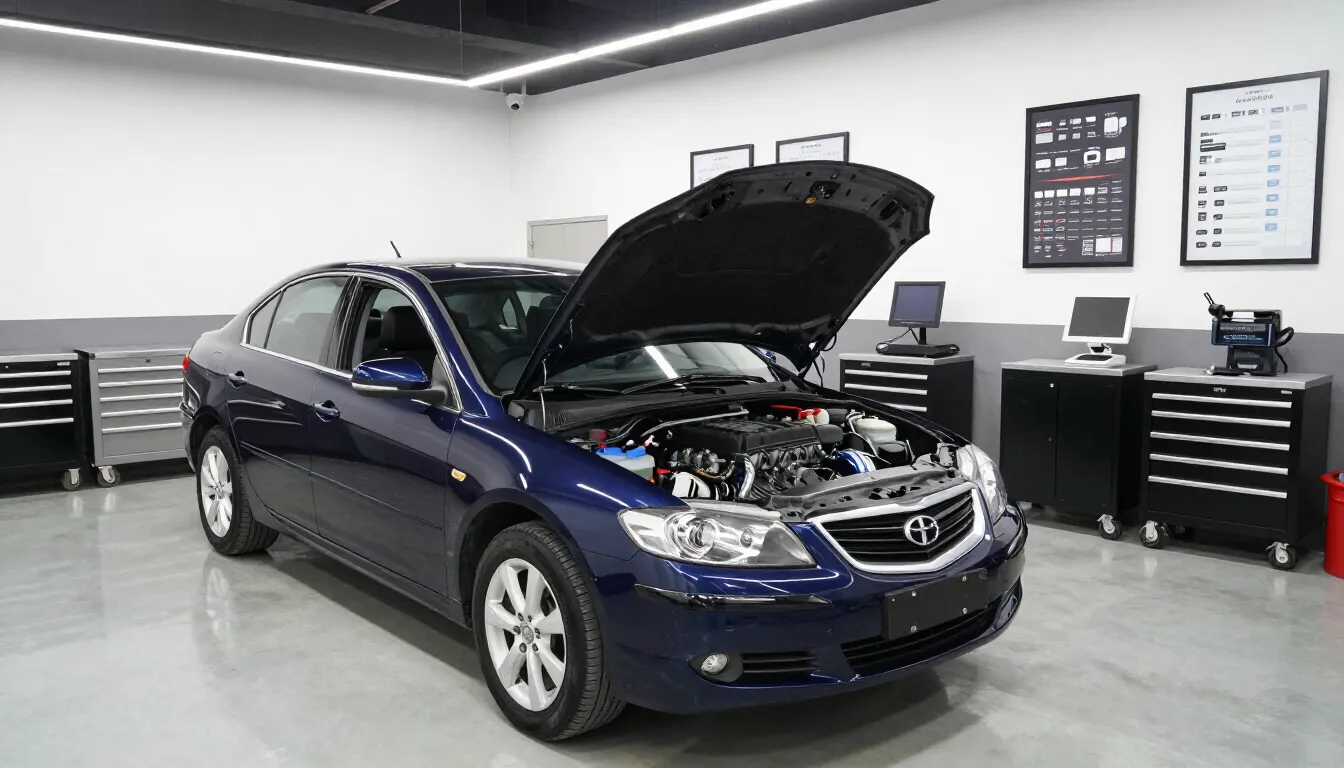
Your engine works hard every time you start your vehicle. Over the years, wear and tear can affect how well it performs. When engine problems begin to appear, many drivers think they need a replacement engine or even a new vehicle. In reality, an engine rebuild may be the better option. A rebuild can help restore performance, improve reliability, and extend the life of your vehicle. At EBR Core Inc. , we help drivers understand when it makes sense to rebuild engine components instead of replacing the entire unit. As an experienced engine rebuilder, we work with vehicle owners throughout Houston to provide dependable engine solutions. If you have been wondering whether your engine is worth rebuilding, here are seven signs you should know.
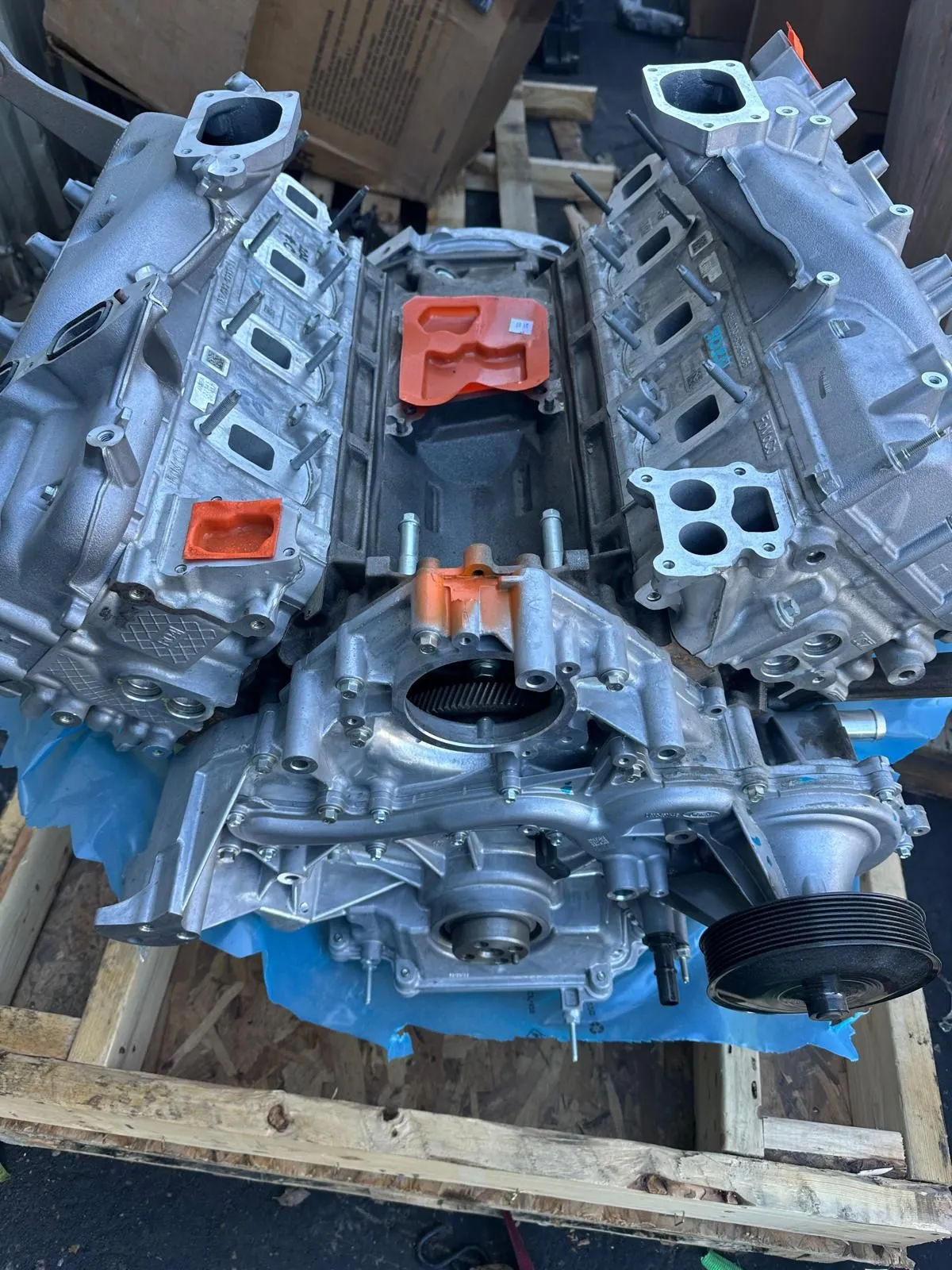
Looking for rare vehicle components? Discover practical tips for finding reliable automotive parts & trusted auto parts Houston TX suppliers for your vehicle needs!
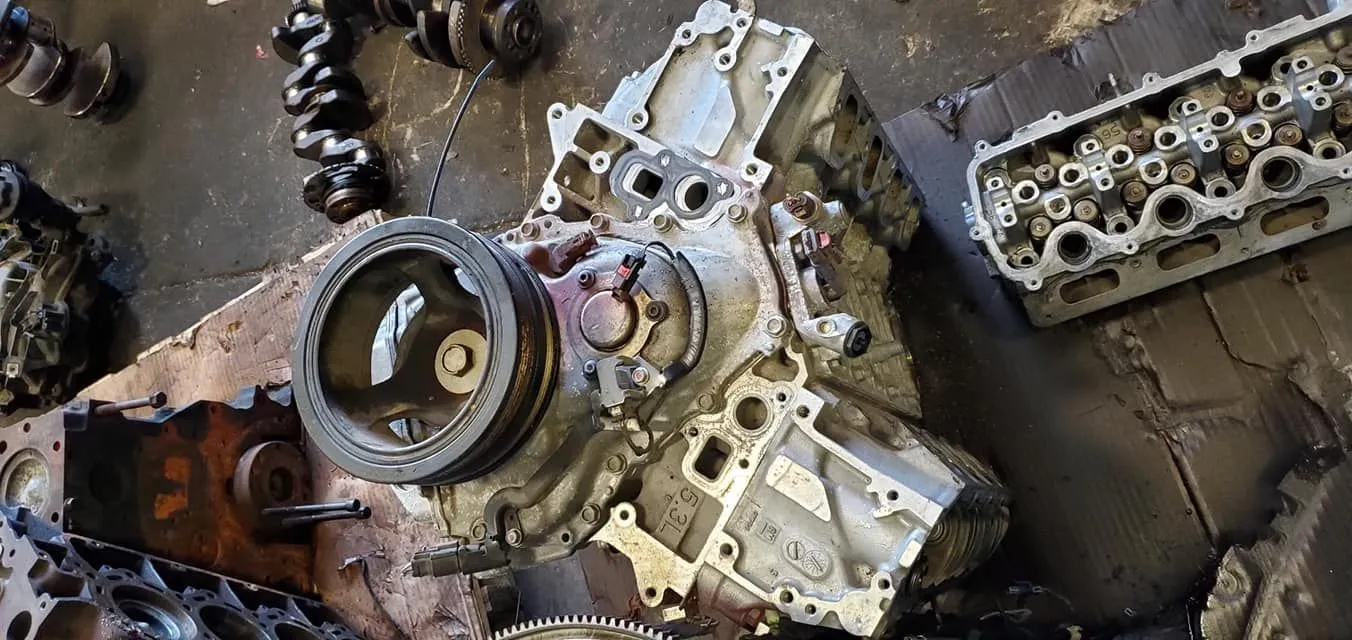
Learn the common causes of engine failure and how to prevent them with expert tips from EBR Core Inc. in Houston, TX. Call for quality engine parts today!
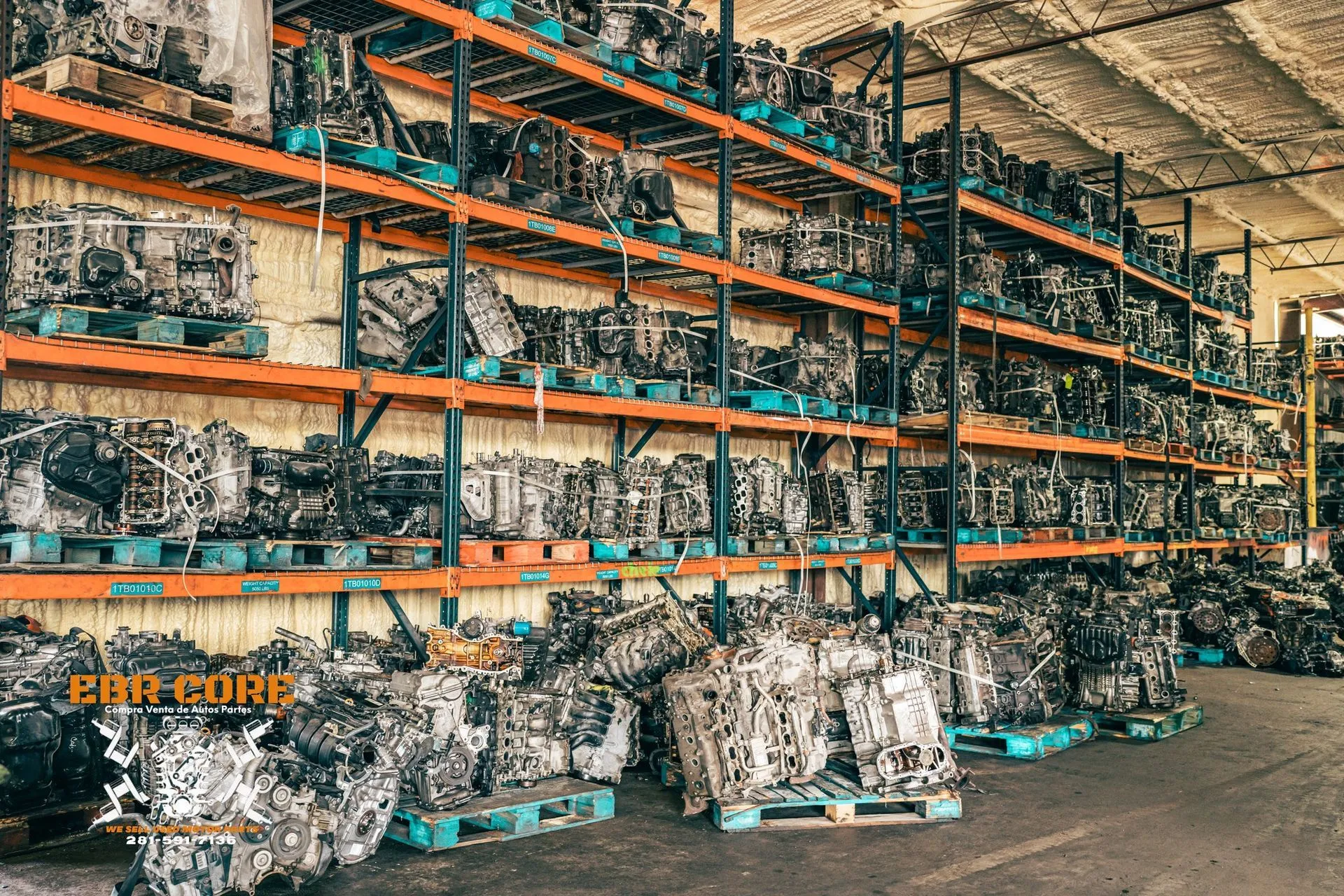
Buy engine parts in Houston, TX with confidence. Learn what to look for, where to buy engine parts, and how to choose quality components for your vehicle. Call now.
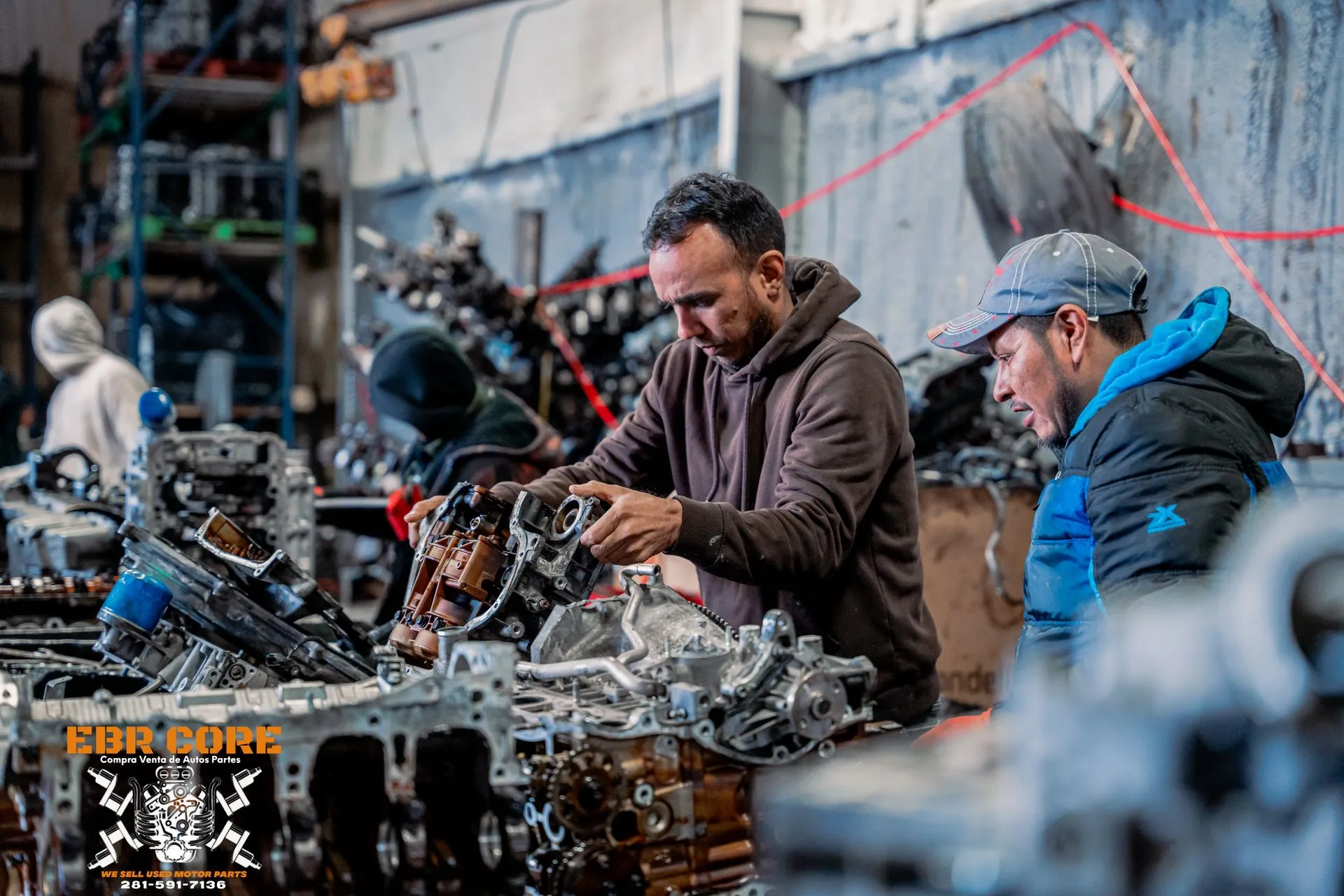
Buy quality used auto parts in Houston, Texas with confidence. Learn how to inspect, verify, and choose a trusted used auto parts store for reliable savings.
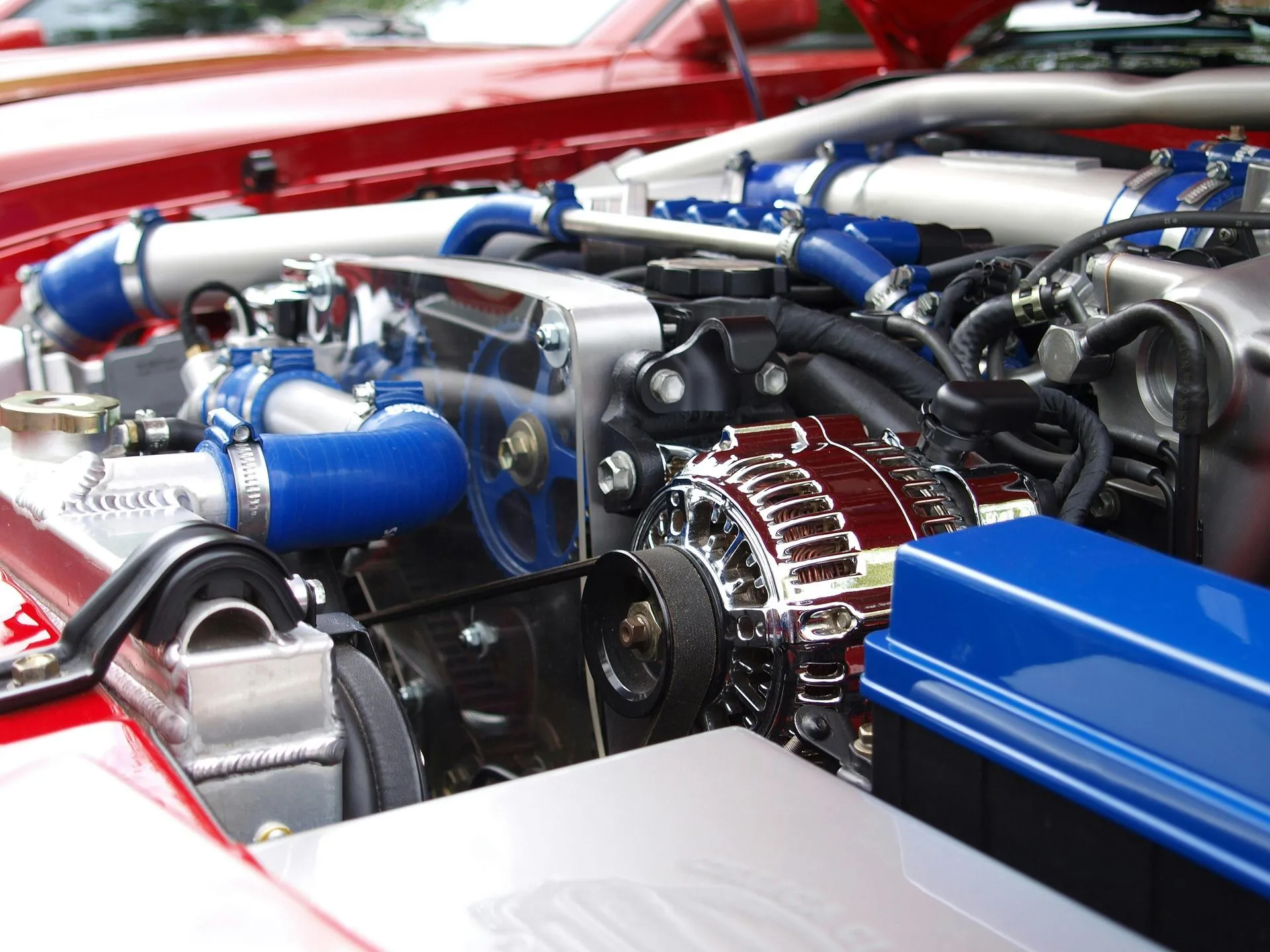
Discover why the right automotive parts boost performance. Explore engine parts, new and used options, and how EBR Core Inc. ensures reliability and longevity!
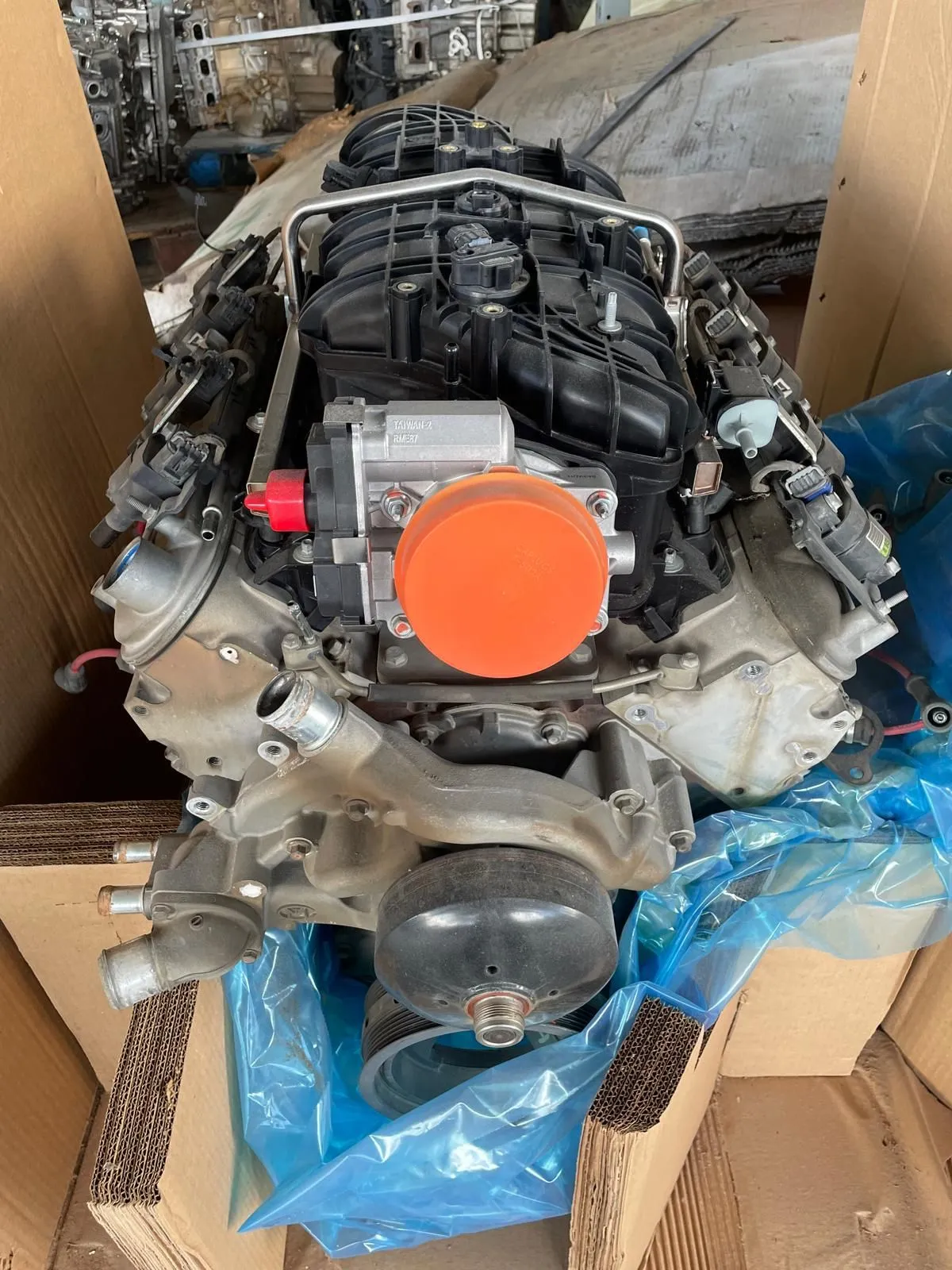
Discover the differences between new and used auto parts with EBR Core Inc. in Houston, TX. Call (346) 624-4889 for automotive parts & to ensure vehicle performance!
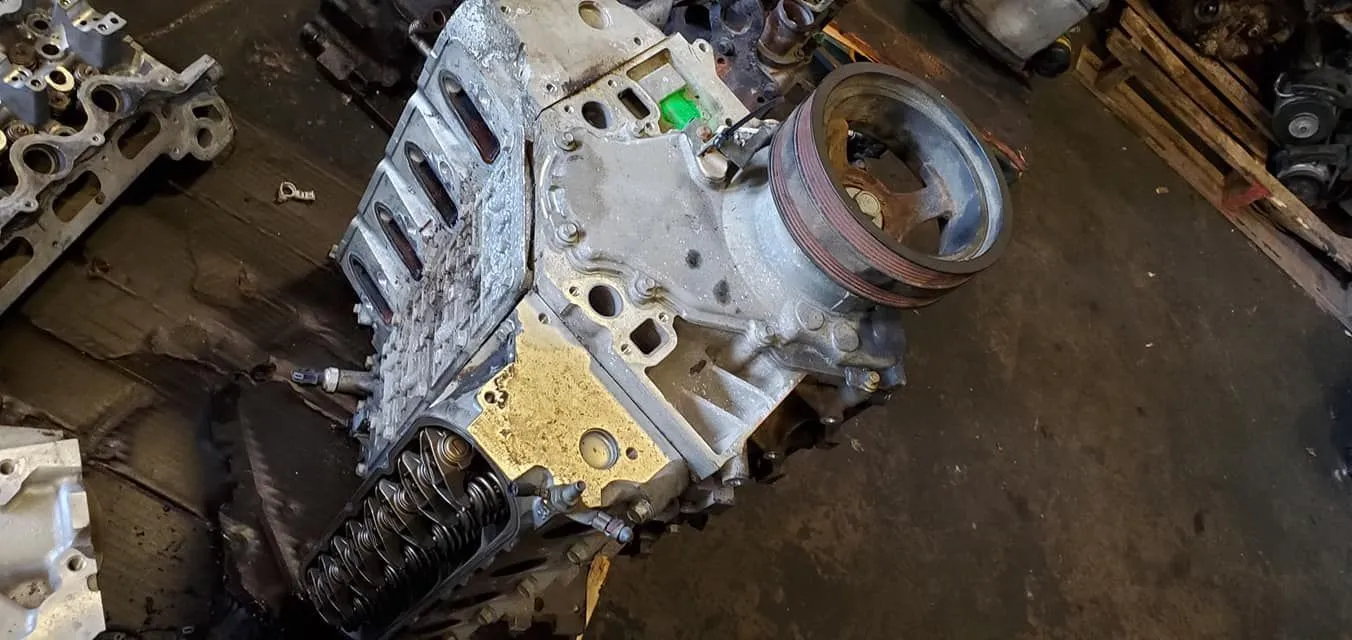
Learn the key differences between engine rebuild and engine replacement from EBR Core Inc. in Houston, TX. Call us at (346) 624-4889 for expert service today.
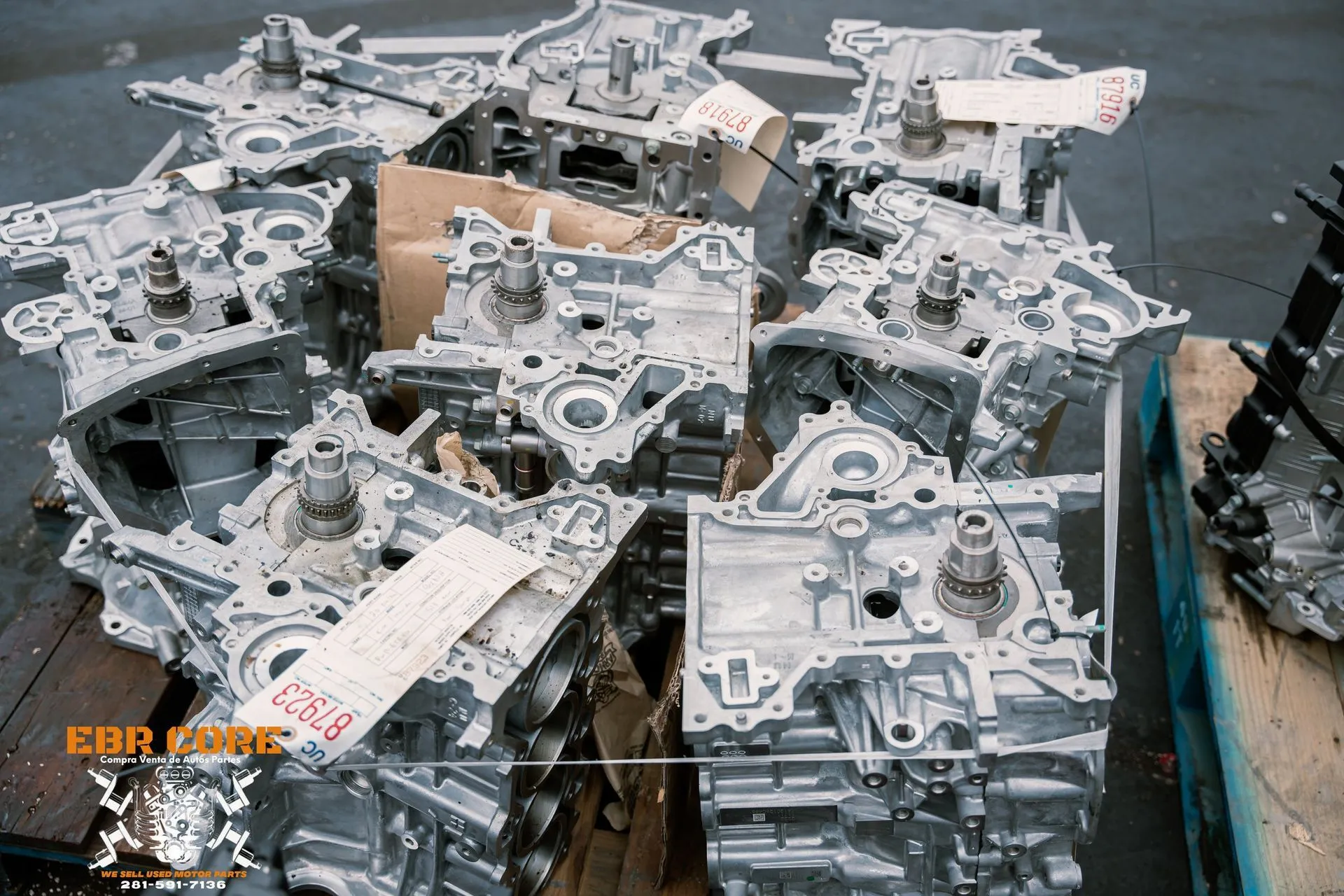
Find quality new engine parts in Houston, TX at EBR Core Inc. Get OEM-standard components, expert support, and great prices. Call (346) 624-4889 today.
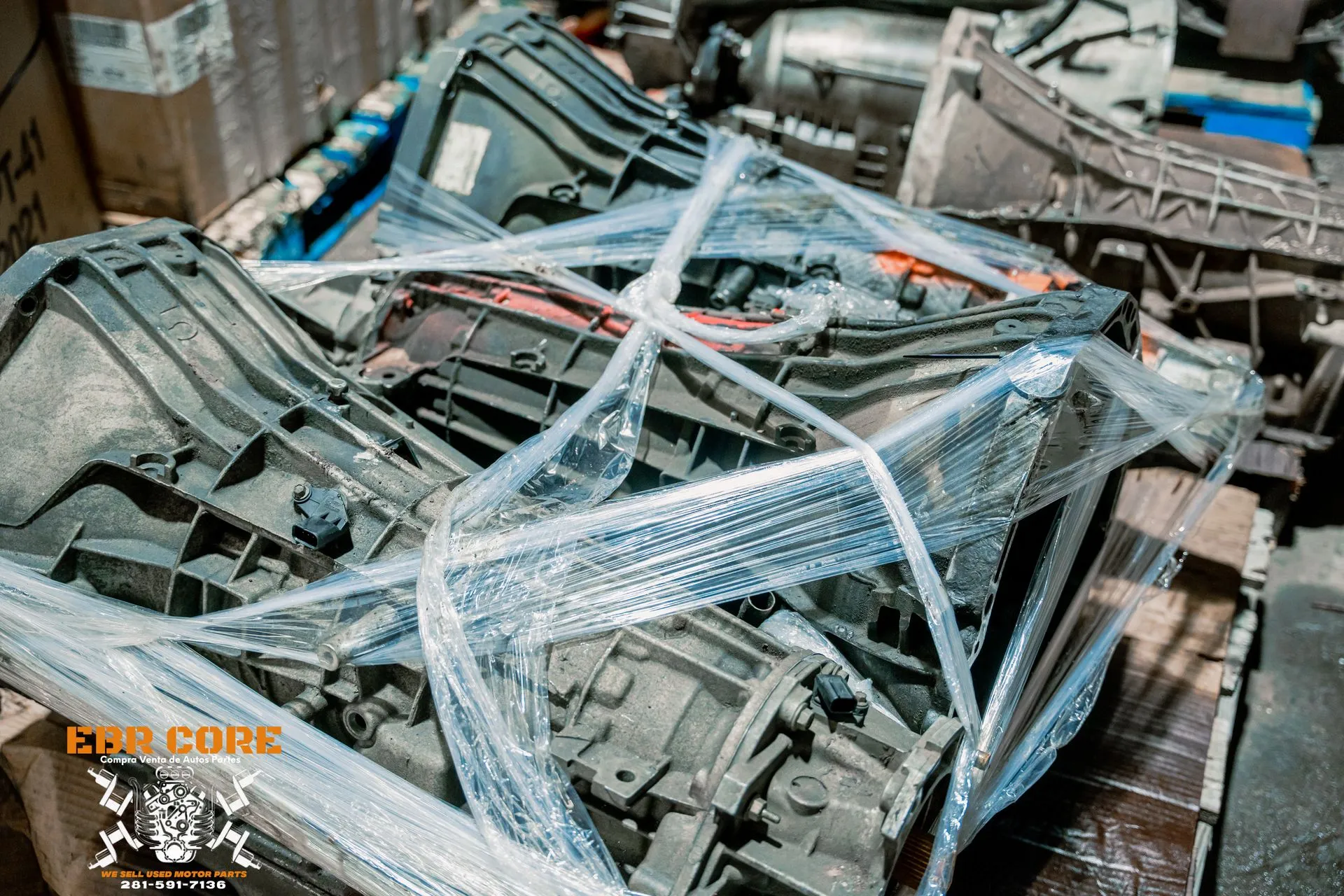
Discover when to buy used automotive body parts. Save money, find OEM quality, and keep your car in top shape with EBR Core Inc. in Houston, TX. Call today!
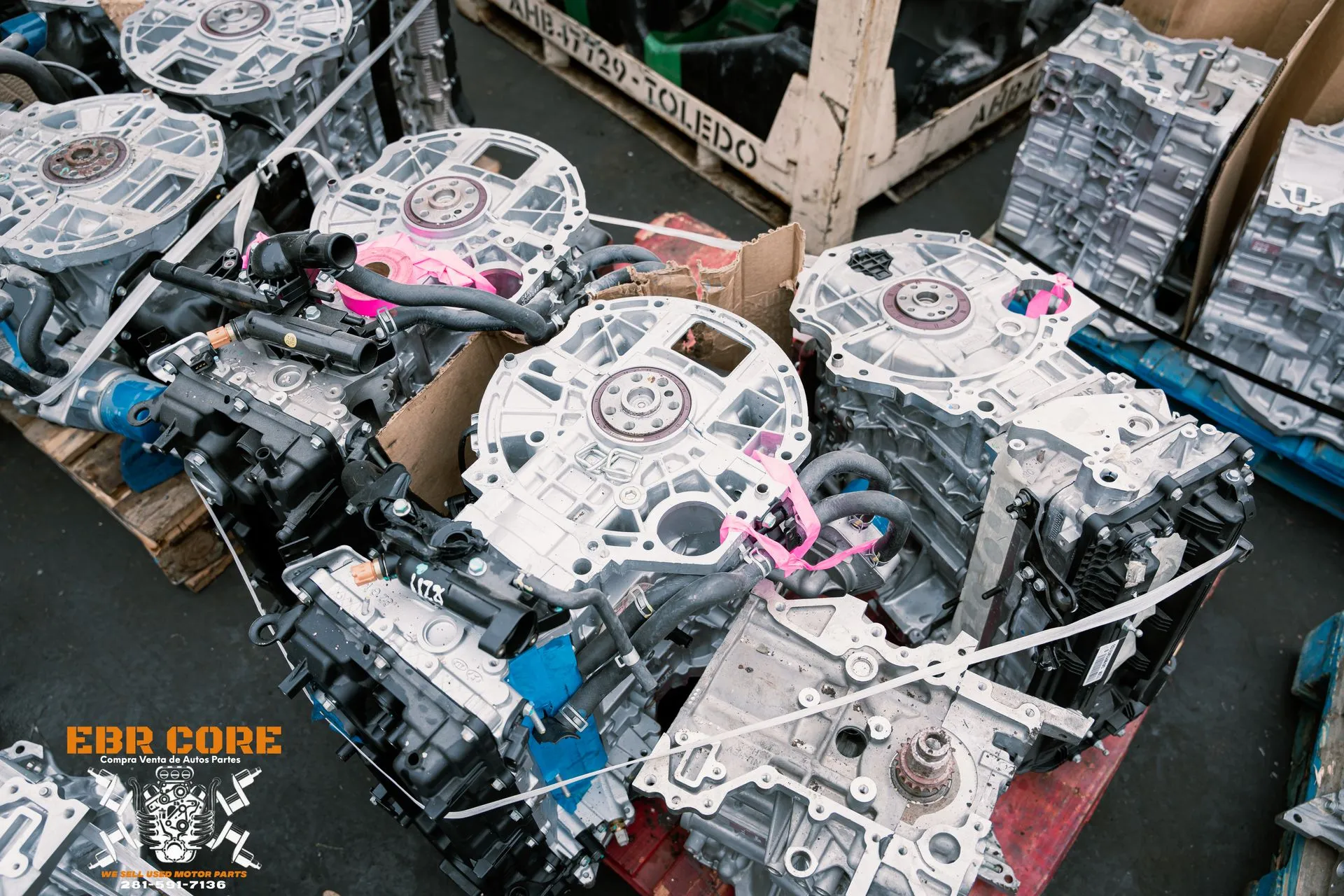
Is your car showing signs of engine trouble? Learn the top indicators that you may need new engine parts. Call (346) 624-4889 for automotive parts in Houston, TX!
Discover how engine cores work and why they’re vital for any engine rebuild. Call (346) 624-4889 to learn the rebuild process and the benefits of quality cores!
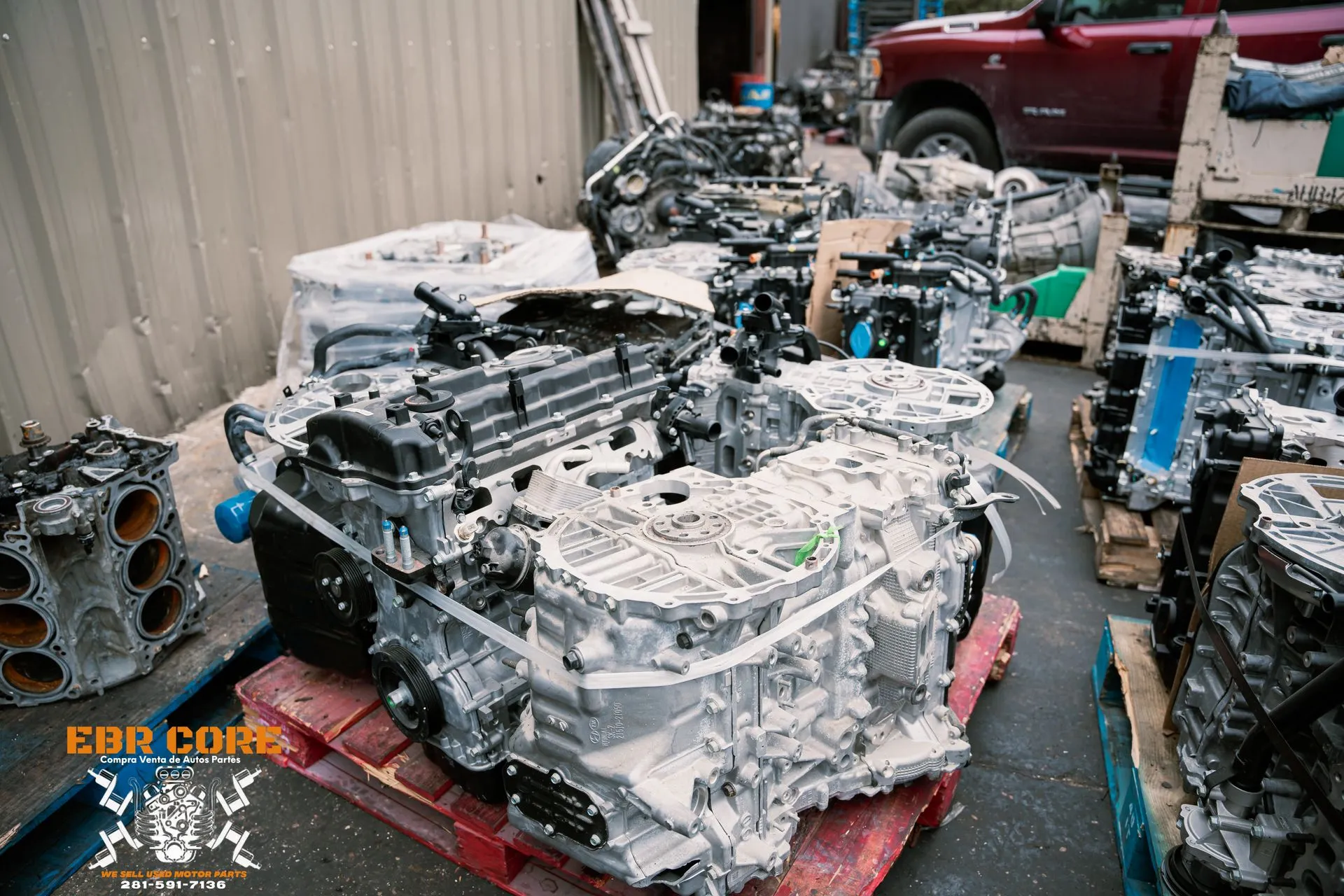
Discover the essential guide to automotive parts every car owner should know. Call us at (346) 624-4889 today to buy quality automotive parts!
Buying new auto parts in Houston can cut repair bills fast. Learn how sourcing your own parts beats shop markups, tariffs, and long import delays in 2026.
Discover how to source reliable used engine parts in Houston, save up to 70%, and avoid costly mistakes with VIN-matching and local suppliers.
Considering an engine rebuild in Houston? Learn when it beats replacement, what it costs, and how to save thousands on your vehicle repair in 2026.
Your engine works hard every time you start your vehicle. Over the years, wear and tear can affect how well it performs. When engine problems begin to appear, many drivers think they need a replacement engine or even a new vehicle. In reality, an engine rebuild may be the better option. A rebuild can help restore performance, improve reliability, and extend the life of your vehicle. At EBR Core Inc. , we help drivers understand when it makes sense to rebuild engine components instead of replacing the entire unit. As an experienced engine rebuilder, we work with vehicle owners throughout Houston to provide dependable engine solutions. If you have been wondering whether your engine is worth rebuilding, here are seven signs you should know.
Looking for rare vehicle components? Discover practical tips for finding reliable automotive parts & trusted auto parts Houston TX suppliers for your vehicle needs!
Learn the common causes of engine failure and how to prevent them with expert tips from EBR Core Inc. in Houston, TX. Call for quality engine parts today!
Buy engine parts in Houston, TX with confidence. Learn what to look for, where to buy engine parts, and how to choose quality components for your vehicle. Call now.
Buy quality used auto parts in Houston, Texas with confidence. Learn how to inspect, verify, and choose a trusted used auto parts store for reliable savings.
Discover why the right automotive parts boost performance. Explore engine parts, new and used options, and how EBR Core Inc. ensures reliability and longevity!
Discover the differences between new and used auto parts with EBR Core Inc. in Houston, TX. Call (346) 624-4889 for automotive parts & to ensure vehicle performance!
Learn the key differences between engine rebuild and engine replacement from EBR Core Inc. in Houston, TX. Call us at (346) 624-4889 for expert service today.
Find quality new engine parts in Houston, TX at EBR Core Inc. Get OEM-standard components, expert support, and great prices. Call (346) 624-4889 today.
Discover when to buy used automotive body parts. Save money, find OEM quality, and keep your car in top shape with EBR Core Inc. in Houston, TX. Call today!
Is your car showing signs of engine trouble? Learn the top indicators that you may need new engine parts. Call (346) 624-4889 for automotive parts in Houston, TX!
Discover how engine cores work and why they’re vital for any engine rebuild. Call (346) 624-4889 to learn the rebuild process and the benefits of quality cores!
Discover the essential guide to automotive parts every car owner should know. Call us at (346) 624-4889 today to buy quality automotive parts!
Buying new auto parts in Houston can cut repair bills fast. Learn how sourcing your own parts beats shop markups, tariffs, and long import delays in 2026.
Discover how to source reliable used engine parts in Houston, save up to 70%, and avoid costly mistakes with VIN-matching and local suppliers.
Considering an engine rebuild in Houston? Learn when it beats replacement, what it costs, and how to save thousands on your vehicle repair in 2026.
Your engine works hard every time you start your vehicle. Over the years, wear and tear can affect how well it performs. When engine problems begin to appear, many drivers think they need a replacement engine or even a new vehicle. In reality, an engine rebuild may be the better option. A rebuild can help restore performance, improve reliability, and extend the life of your vehicle. At EBR Core Inc. , we help drivers understand when it makes sense to rebuild engine components instead of replacing the entire unit. As an experienced engine rebuilder, we work with vehicle owners throughout Houston to provide dependable engine solutions. If you have been wondering whether your engine is worth rebuilding, here are seven signs you should know.
Looking for rare vehicle components? Discover practical tips for finding reliable automotive parts & trusted auto parts Houston TX suppliers for your vehicle needs!
Learn the common causes of engine failure and how to prevent them with expert tips from EBR Core Inc. in Houston, TX. Call for quality engine parts today!
Buy engine parts in Houston, TX with confidence. Learn what to look for, where to buy engine parts, and how to choose quality components for your vehicle. Call now.
Buy quality used auto parts in Houston, Texas with confidence. Learn how to inspect, verify, and choose a trusted used auto parts store for reliable savings.
Discover why the right automotive parts boost performance. Explore engine parts, new and used options, and how EBR Core Inc. ensures reliability and longevity!
Discover the differences between new and used auto parts with EBR Core Inc. in Houston, TX. Call (346) 624-4889 for automotive parts & to ensure vehicle performance!
Learn the key differences between engine rebuild and engine replacement from EBR Core Inc. in Houston, TX. Call us at (346) 624-4889 for expert service today.
Find quality new engine parts in Houston, TX at EBR Core Inc. Get OEM-standard components, expert support, and great prices. Call (346) 624-4889 today.
Discover when to buy used automotive body parts. Save money, find OEM quality, and keep your car in top shape with EBR Core Inc. in Houston, TX. Call today!
Is your car showing signs of engine trouble? Learn the top indicators that you may need new engine parts. Call (346) 624-4889 for automotive parts in Houston, TX!
Discover how engine cores work and why they’re vital for any engine rebuild. Call (346) 624-4889 to learn the rebuild process and the benefits of quality cores!
Discover the essential guide to automotive parts every car owner should know. Call us at (346) 624-4889 today to buy quality automotive parts!